
Custom Logo Ceramic Mug Decals
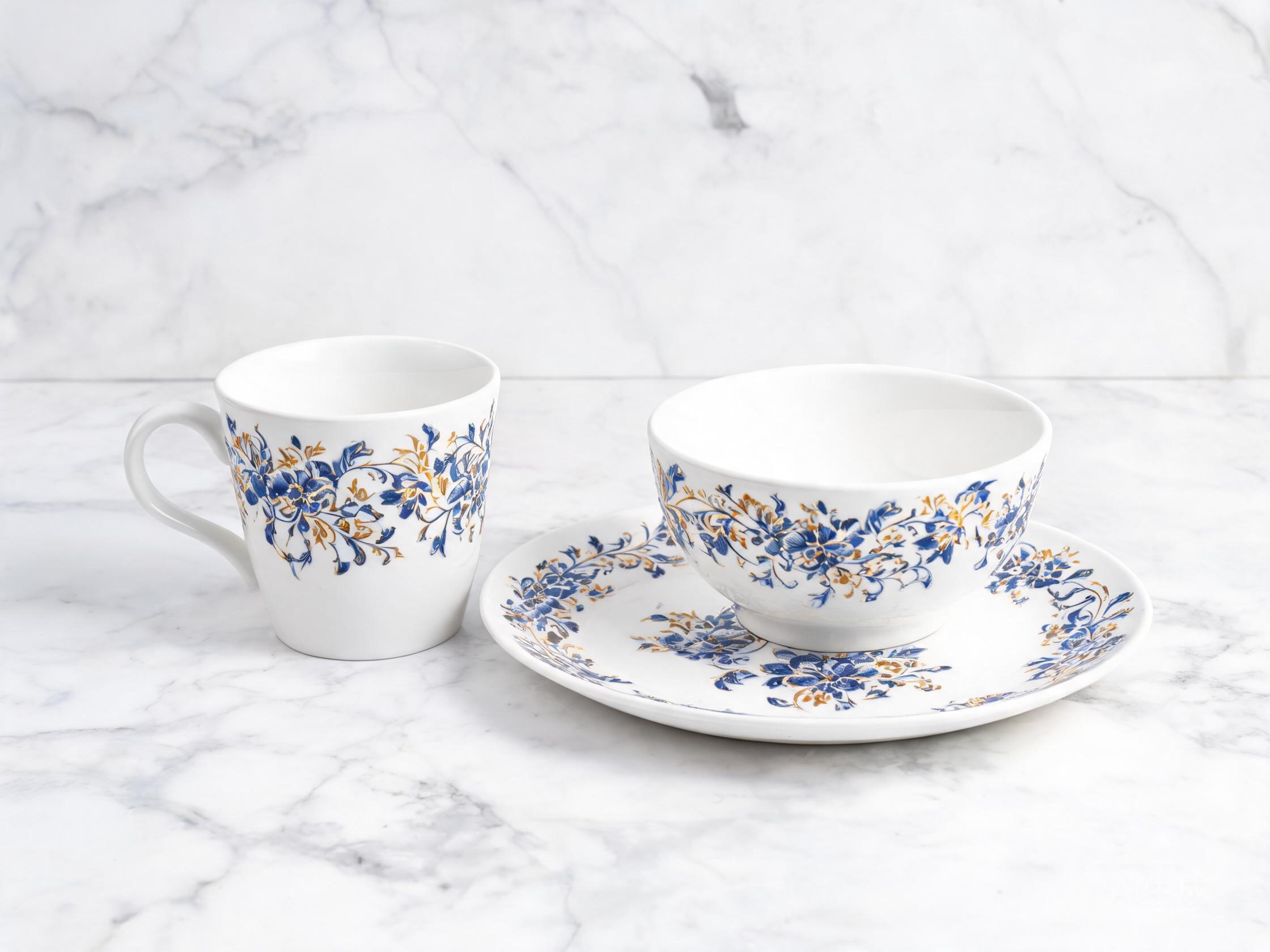
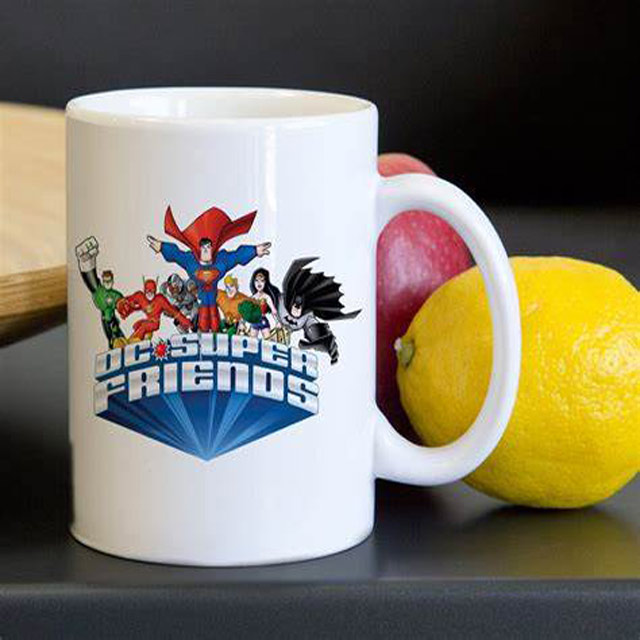
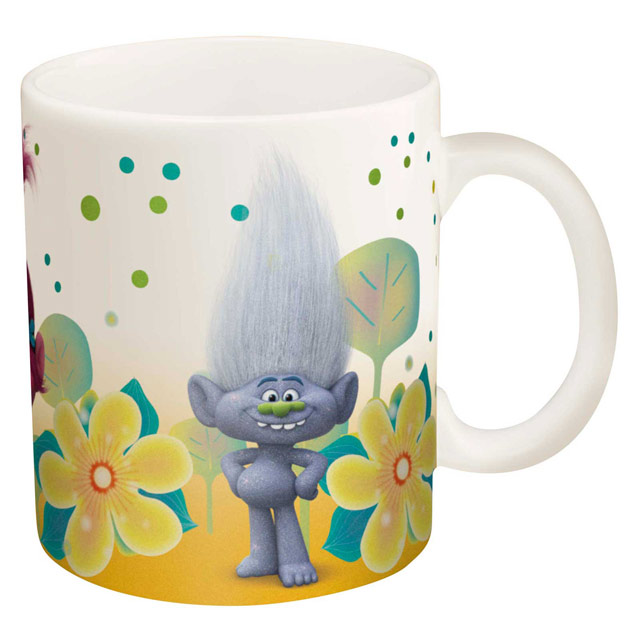
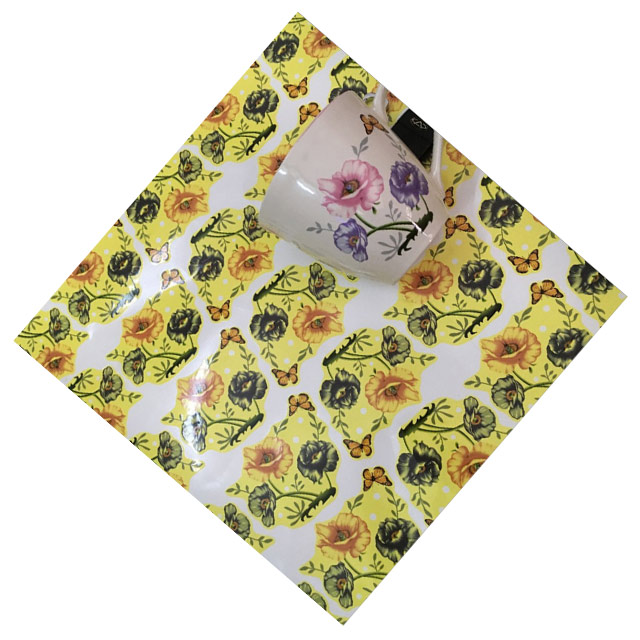
Custom Logo Ceramic Mug Decals
Food-safe overglaze decals for promotional mugs
| Use | Mugs, cups, plates, promotional ware |
|---|---|
| Type | Overglaze waterslide decal |
| Firing | Approx. 780-830 C overglaze |
| Safety | Lead-free, food-safe enamels |
| MOQ | Flexible for promotions & gifts |
Or call us: 0086-13617814678
Product Description
Ceramic decals are transfer prints made with ceramic pigments that are fired onto glazed or unglazed ware at 560-1350°C, fusing the decoration permanently into the surface. There is no adhesive film left to peel, which is why fired decoration survives dishwashers, detergents and years of handling.
What Are Ceramic Decals?
Also called ceramic transfers, they are printed onto a gummed paper, soaked in water, slid onto the ware and then fired in a kiln. When the paper burns away, the pigment softens and bonds into the glaze. The same process decorates bone china, hotel tableware, promotional mugs, tiles and glass.
How a Ceramic Decal Is Applied
- Print - ceramic pigments are screen printed onto water-soluble paper with a cover coat.
- Soak - 20-40 seconds in clean water until the film releases from the paper.
- Apply - slide the film onto the ware and squeegee air out from the centre.
- Dry and fire - moisture must evaporate fully before firing, or the film blisters in the kiln.
Ceramic Decal Types by Firing Temperature
Firing temperature decides which pigments are possible, which surfaces the decal bonds to, and how the finished decoration performs in service.
| Type | Firing range | Applied to | Durability | Best for |
|---|---|---|---|---|
| Low-fire glass enamel | 560-620°C | Glass, glazed ceramic | Moderate | Bottles, jars, tumblers |
| Overglaze | 750-900°C | Already glazed ware | Good | Mugs, plates, tiles, giftware |
| Precious metal and lustre | 740-850°C | Glazed ware | Good, hand wash | Gold rims, premium giftware |
| Inglaze | 1,200-1,300°C | Unfired glaze layer | Very high | Hotel and restaurant ware |
| Underglaze | 1,250-1,400°C | Bisque body | Very high | Heavy-use dinnerware, porcelain |
Low-fire glass enamel (560-620°C)
For glass, which softens above roughly 600°C. Standard for bottles, jars and tumblers. Less abrasion-resistant than ceramic decoration, so hand wash or light dishwasher use is advised.
Overglaze (750-900°C)
Fired on top of an existing glaze. The most common type for custom mugs, plates and tiles, because the lower temperature allows bright reds, oranges and metallics. A correctly fired overglaze withstands several hundred domestic dishwasher cycles.
Precious metal and lustre (740-850°C)
Real gold and platinum for premium giftware and rims. The softest finish in the range, so hand washing is recommended and abrasive detergents should be avoided.
Inglaze (1,200-1,300°C)
The decal goes onto the unfired glaze and both fire together in one cycle. Excellent abrasion and detergent resistance, with a narrower colour palette.
Underglaze (1,250-1,400°C)
Fired onto the unglazed body. The most durable option and the standard for commercial dinnerware, porcelain and bone china. Bright reds and some yellows are not achievable.
Overglaze vs Underglaze
| Overglaze | Underglaze / Inglaze | |
|---|---|---|
| Colour range | Widest, includes bright reds and metallics | Narrower, more muted palette |
| Abrasion resistance | Good | Excellent |
| Washing | Domestic dishwasher | Commercial and industrial |
| Typical use | Promotional mugs, giftware, tiles | Hotelware, dinnerware, porcelain |
For domestic washing and maximum design freedom, choose overglaze. For commercial kitchens and heavy abrasion, specify underglaze or inglaze.
Customisation Options
Artwork
AI, EPS or PDF preferred, because vector artwork separates cleanly for spot printing. High-resolution PSD is accepted.
Colour matching
Ceramic pigments are matched as spot colours rather than CMYK, within what survives your firing range - so the firing temperature must be agreed before matching begins.
Opaque white for dark ware
A white base layer sits under the artwork on dark mugs and tiles so colours stay true. It adds film thickness, so edge visibility on tight curves is checked at sampling.
Layout, sampling and MOQ
Individual cut shapes or multi-design gang sheets, whichever is cheaper at your quantity. We print a sample sheet first so you can fire and test it on your own ware before committing.
Food Safety and Compliance
Decoration contacting food is regulated on the fired result, not the liquid ink. We supply lead-free and cadmium-free systems meeting FDA ceramic ware requirements, EU 84/500/EEC, ISO 6486 release limits and LFGB. For rim and internal decoration we recommend testing the fired ware, since release rates also depend on glaze chemistry and firing profile.
How to Order
- Send artwork, ware type and glaze, available firing temperature and quantity.
- We confirm feasible colours and layout, then quote.
- You fire and approve the sample sheet.
- Production, protective packing and export documentation.
Send artwork and ware details to sales@decalsspecialist.com, or see water slide decal paper and our manufacturing capability.
Frequently Asked Questions
Are ceramic decals dishwasher safe?
Yes when correctly fired: overglaze handles several hundred domestic dishwasher cycles, underglaze suits commercial machines, and lustre finishes should be hand washed.
Are ceramic decals food safe?
They can be, depending on pigments and firing. We supply lead- and cadmium-free systems meeting FDA, EU, ISO 6486 and LFGB requirements.
Overglaze or underglaze - which should I choose?
Overglaze for the widest colour range and domestic use; underglaze for commercial washing and maximum abrasion resistance.
What firing temperature do ceramic decals need?
Glass enamel 560-620°C, overglaze 750-900°C, precious metal 740-850°C, inglaze 1,200-1,300°C, underglaze 1,250-1,400°C.
Can ceramic decals be applied to glass?
Yes, with low-fire glass enamel at 560-620°C, controlled to stay below the point where glass deforms.
What artwork and MOQ do you need?
Vector AI, EPS or PDF preferred. MOQ depends on decal size and sheet layout, and a sample sheet is available before volume production.
Related Products
 View Details
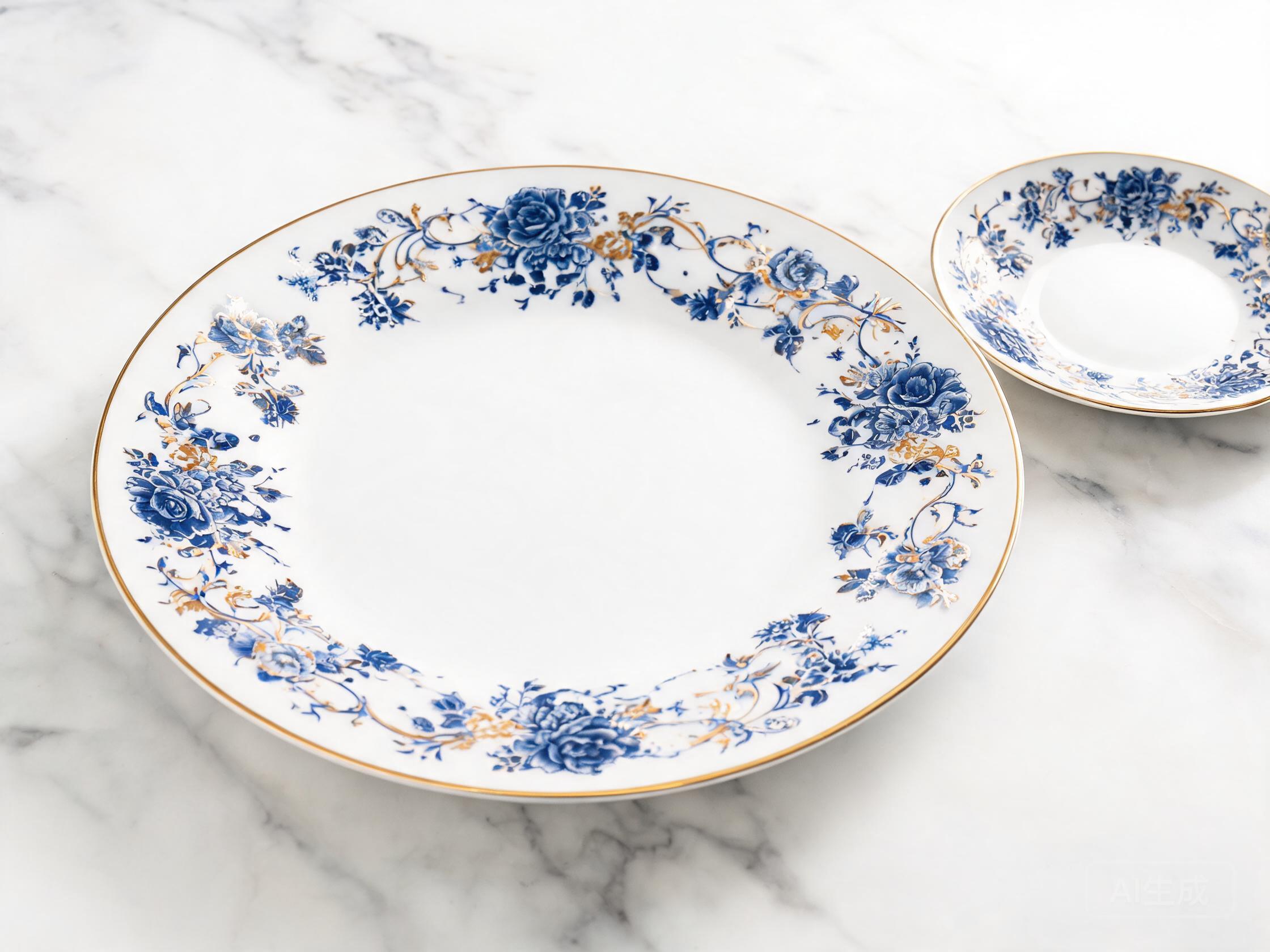
Overglaze Ceramic Dinnerware Decals
Floral patterns & gold rims for plates and bowls
Learn more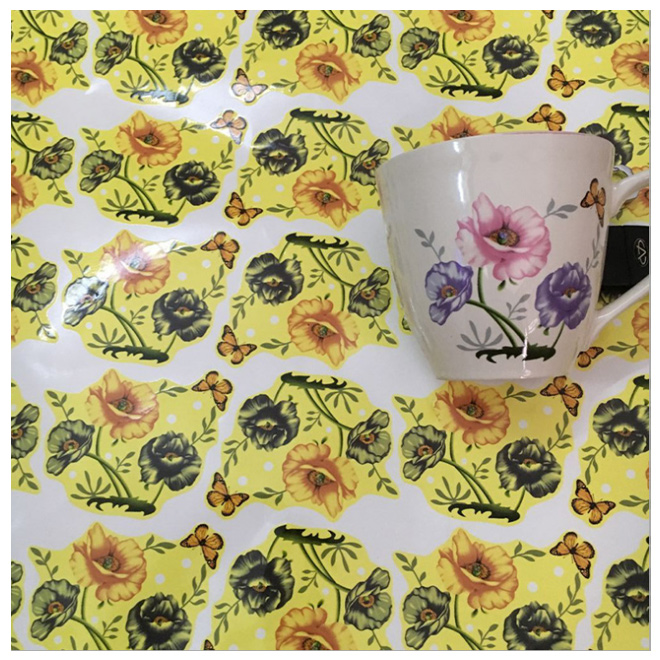 View Details
Underglaze Ceramic Water Slide Decals
underglaze ceramic water slide decals for tableware
Learn more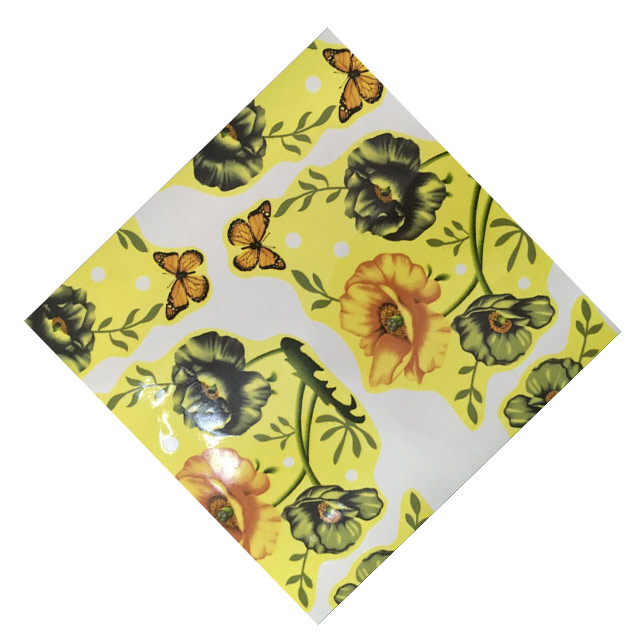 View Details
Custom Porcelain & Bone China Decals
High-fire transfers for premium tableware bodies
Learn more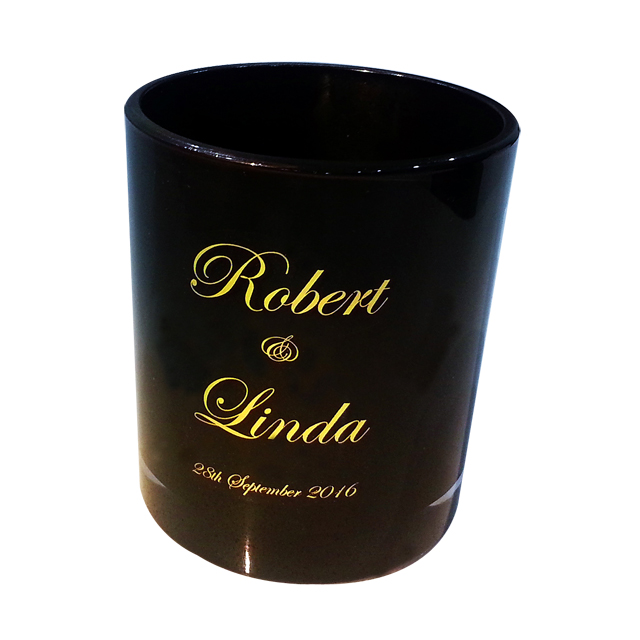 View Details
Gold & Platinum Ceramic Decals
Real precious metal lustre transfers for premium ware
Learn more View Details
Custom Ceramic Tile Decals
Fired transfers for decorative wall and floor tiles
Learn more